
How do you fund California’s growing transportation needs? Officials sound off in Fresno.

State transportation leaders gathered at Fresno State last week for a town hall focused on the future of California’s roads, bridges, and public infrastructure – and the growing budget gap that threatens that future
Should California drivers get charged by the mile? A pilot program is looking into it
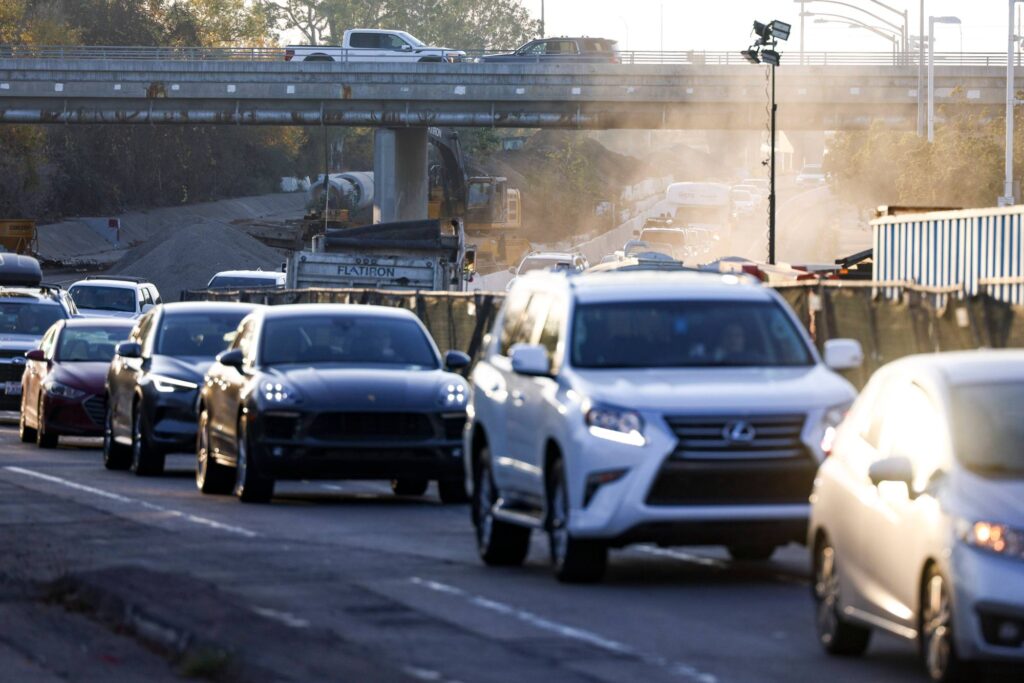
Revenue from the gasoline excise tax that drivers currently pay at the pump is declining because of better fuel mileage and EV adoption
Surge in California electric vehicle sales could hurt state’s fight against pollution
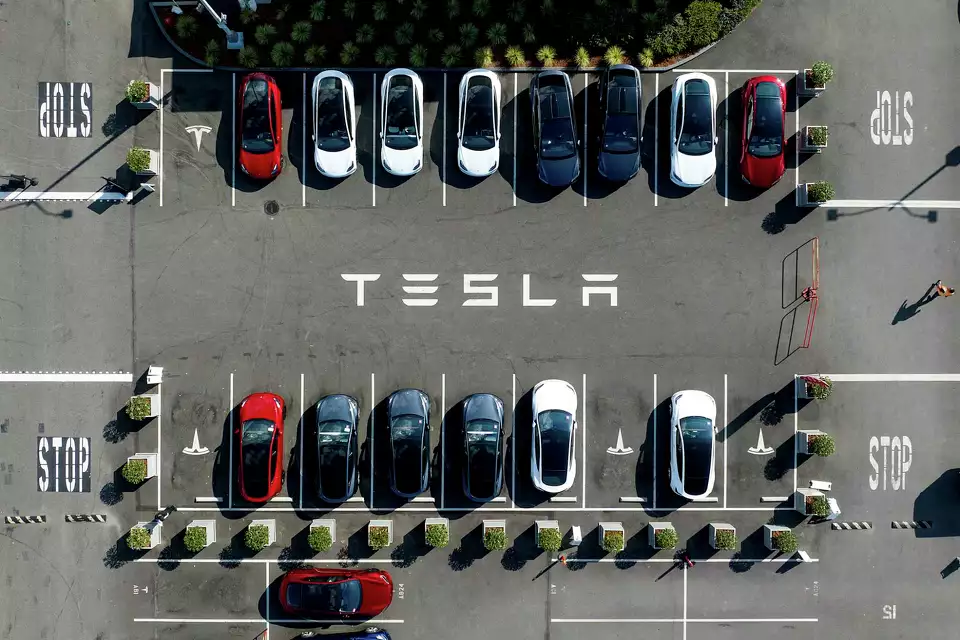
California leaders who want to fight pollution now face a quandary — and it stems, oddly, from the rise of electric cars. As more people buy fuel-efficient or zero-emission vehicles, the public’s consumption of gas has declined, and so has the revenue that California draws from gas taxes.
Joint Hearing Senate Transportation Committee and Assembly Transportation Committee
Senate Bill 1121: State and Local Transportation System Needs Assessment
California is the fifth largest economy in the world and is home to more than 39 million people. Connecting us is the nation’s largest and most complex multimodal transportation system that has grown and continues to transform to fit our state’s diverse needs.
More EVs, Less Gas Tax Revenue Create State Transportation Budget Issues

Transportation funds in many states are running low, and the next few years will be critical to their future sustainability. Policymakers in some statehouses will have to act quickly because their funds face imminent deficits. Other states show longer-term funding gaps that will only grow if they are not addressed.
States scramble to replace gas tax cash
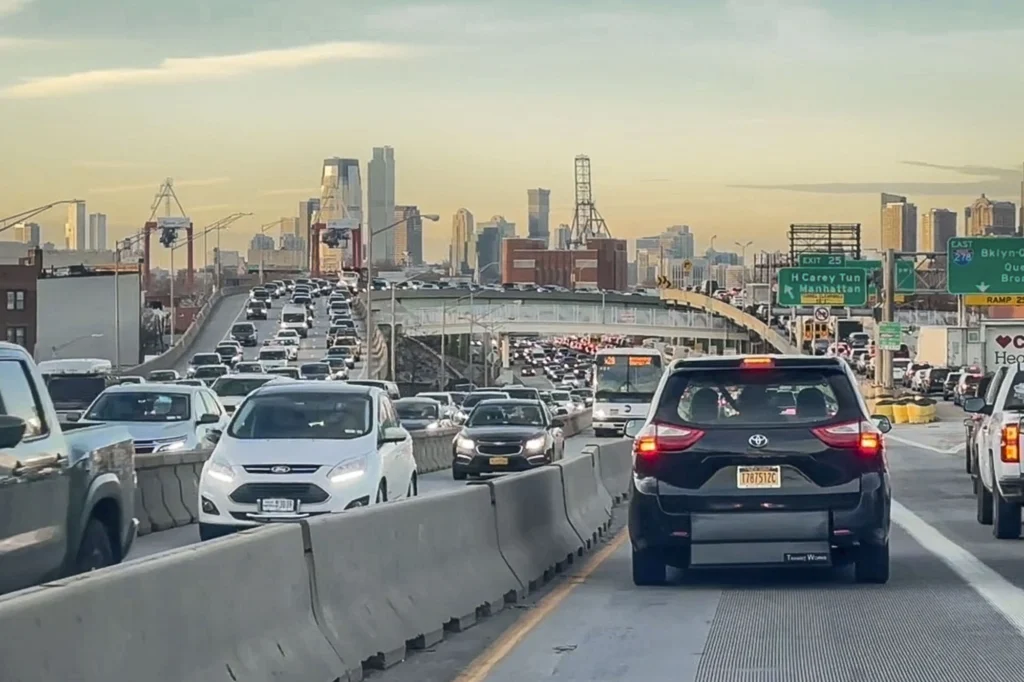
Pennsylvania drivers enjoy an unofficial subsidy for buying an electric vehicle: When they skip the gas station, they avoid the country’s second-highest gasoline tax.
The Multibillion-Dollar Implications of EVs for State Budgets
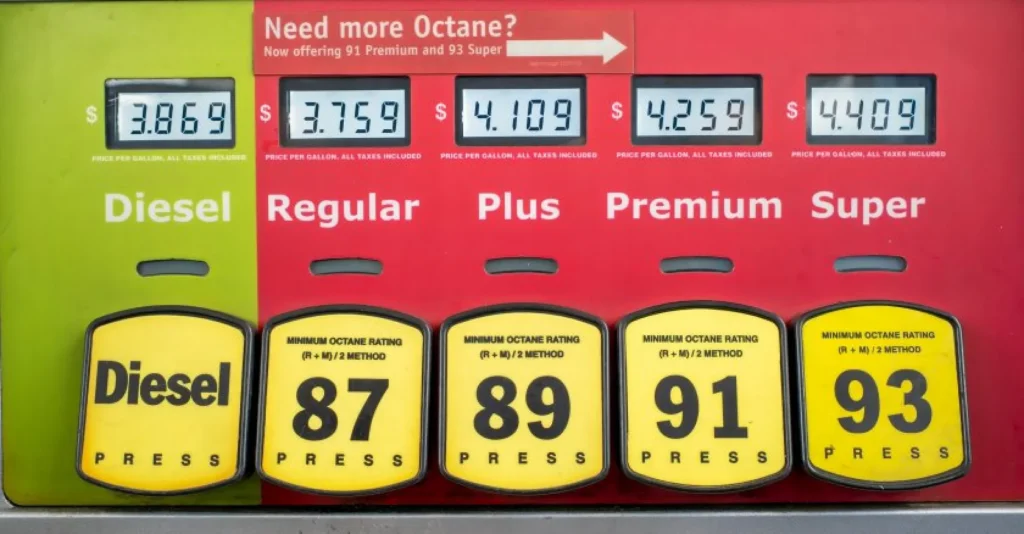
It’s not just the decline in fuel tax revenues and its impact on highway construction and maintenance. Real estate will also be affected, and sales taxes are likely to take a hit. States need to begin developing strategies.
Funding the Future: California’s Transportation Transformation

California’s adoption of zero-emission vehicle policies will change the transportation landscape over the next two decades, prompting questions about how to adapt revenue structures to preserve transportation infrastructure funding.